.svg)
.svg)


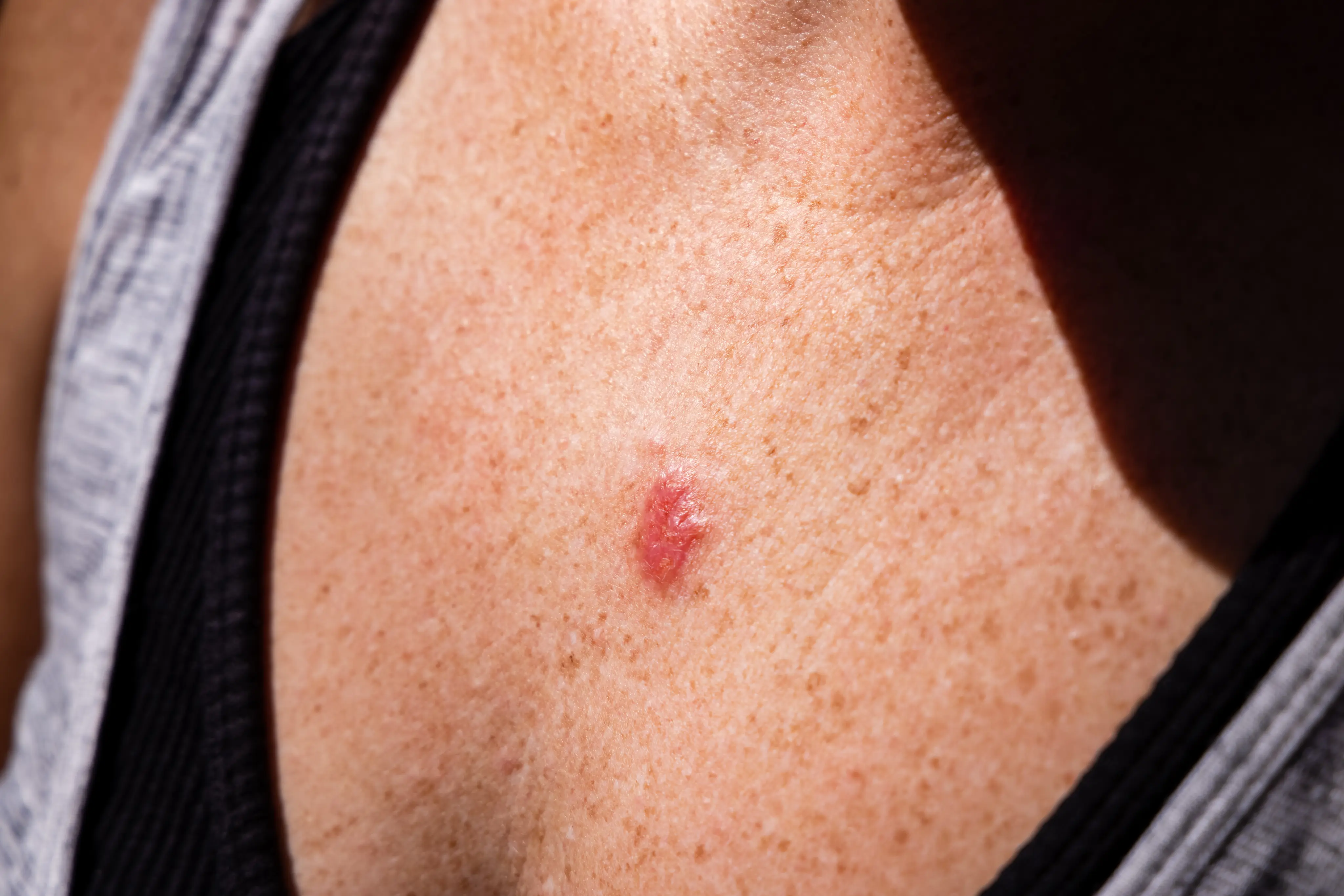
Electrodesiccation and Curettage

Electrodesiccation and Curettage
At Hawaii Dermatology & Surgery, we offer Electrodesiccation and Curettage (EDC), a highly effective, minimally invasive procedure for treating non-melanoma skin cancers and benign growths. This treatment combines the benefits of electrosurgery and curettage to safely remove abnormal skin cells, leaving you with minimal scarring and a quick recovery.

What Is Electrodesiccation and Curettage?
Electrodesiccation and Curettage (EDC) is a procedure commonly used to treat basal cell carcinoma (BCC), squamous cell carcinoma (SCC), and other benign skin growths. The process involves two main steps: curettage, where the growth is scraped away, and electrodesiccation, where the area is cauterized using an electric current to stop bleeding and prevent recurrence. This combination ensures thorough removal of abnormal tissue while promoting faster healing and reducing the risk of scarring.
How Electrodesiccation and Curettage Works
During EDC, the area of concern is first numbed with a local anesthetic. The dermatologist then uses a curette (a small, spoon-shaped tool) to scrape away the abnormal tissue. Following this, an electric current is applied to the area using a special electrode to stop any bleeding, destroy remaining abnormal cells, and promote healing. The treatment is quick, minimally invasive, and typically performed in an outpatient setting, with most procedures taking 20-30 minutes.
Conditions Treated with Electrodesiccation and Curettage
EDC is particularly effective for removing non-melanoma skin cancers and other benign growths, including:
- Basal cell carcinoma (BCC)
- Squamous cell carcinoma (SCC)
- Actinic keratosis (precancerous skin lesions)
- Seborrheic keratosis (benign skin growths)
- Warts or other superficial skin growths

Before and after Mohs Surgery:
What to Expect for Patients
FAQ
FAQs
Answers to your frequently asked questions.
How long does it take to recover from EDC?
Recovery is typically quick, with most patients returning to their normal activities within 1-2 days.
Will there be any scarring?
Scarring is minimal, but the extent of scarring depends on the size and location of the growth. EDC generally leaves smaller, less noticeable scars than traditional excision.
Can I have EDC for all types of skin cancers?
EDC is most effective for superficial skin cancers, such as basal cell carcinoma and squamous cell carcinoma. Deeper or more invasive cancers may require other treatments.
How soon will I see results?
You’ll notice immediate improvements, with full healing taking a few weeks. Follow-up care is important to ensure proper healing and check for any recurrence.

Your Journey to Healthy Skin, Hair, and Nails Starts Here

Natural Beauty, Expertly Refined.

Send Us A Message
Experience expert dermatologic care in a welcoming environment where your skin health comes first. Our clinic provides comprehensive services ranging from preventive screenings to advanced treatments, all delivered with professionalism and compassion. Whether you’re seeking routine care, specialized surgery, or rejuvenating skin therapies, our team is here to guide you every step of the way.